
Safeguarding
Promoting safeguarding is a vital and important part of church life
The main areas of Mersey Synod’s safeguarding focus are:
1. Ensuring that churches have the latest policies and procedures in place;
2. Embedding safe recruitment practice;
3. Responding appropriately to allegations and concerns;
4. Delivery of high quality and relevant training
Mersey Synod Safeguarding Officer:
Yvette Hansbury-Robinson
safeguarding@urcmerseysynod.org.uk
07376 053044

For general safeguarding enquiries, relating to safeguarding training, DBS and the annual church safeguarding returns, please contact 0151 722 6590 or safeguardingadmin@urcmerseysynod.org.uk
-
Policies and Procedures
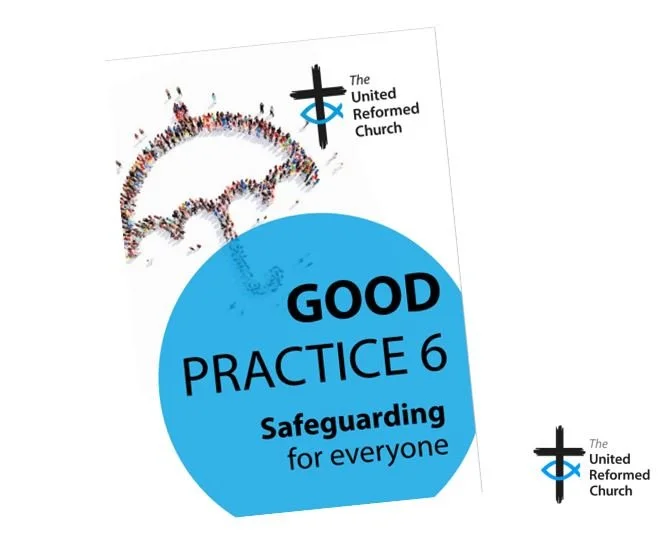
Good Practice 6 constitutes the URC’s only policy and guidance document throughout the denomination. It contains information to assist you in your day to day safeguarding. All the Appendices - forms, templates, Codes of Conduct and model documents are available via the URC website.
To have the most up to date church safeguarding policy, here is form P1 (GP6): Church Safeguarding Policy
Also available is form P2, a template Safeguarding Policy statement
Also find attached the latest Mersey Synod Safeguarding Policy
Responding appropriately to allegations and concerns
Download the URC Safeguarding Incident Report form
-

Safeguarding training & events
Immediate training is currently being delivered in Cheshire, Wirral and Liverpool areas, see description of courses and details on how to book your place here.
The URC is committed to providing a standardised training programme to ensure that all individuals working with children, young people and adults at risk understand the processes and policies of the URC.
As a minimum please complete Foundation e-learning individually or in small facilitated groups (just access as a guest).
The S2 URC Training Framework outlines who/which roles requires what level of mandatory training
-

Safer Recruitment
Safer recruitment is a framework which uses a range of measures designed to both deter and prevent unsuitable individuals from working (either paid or unpaid) with children and/or adults at risk. A DBS check is only one part of a safer recruitment process that helps to prevent unsuitable or dangerous individuals gaining access to children, young people and adults at risk. For further information see section 2.4 of Good Practice 6.
Document S3 explains roles eligible for a DBS and will help to establish which role and what level of DBS check is required.
Safeguarding Report Analysis
Read our annual report and analysis for safeguarding within the URC. The Report can be found here
-

Intermediate & Combined Foundation Training
Intermediate Safeguarding Training
The next training sessions are:
Wednesday 21st October 2026 6.30 pm – 8.30 pm – Online
Combined Foundation and Intermediate Safeguarding Training
The next training sessions are and the link to book is - www.ticketsource.co.uk/urc-mersey-synod
Face to face sessions:
Thursday 22nd October 2026 6.30 pm – 8.30 pm at Alsager URC, Brookhouse Road, ST7 2PA
Saturday 14th November 2026 10.30 am – 1.00 pm at St Andrew’s, 6 Greenwood Road, Meols, CH47 6AD
ONLINE:
Monday 9th November 2026 at 6 – 8.30 pm – online
Monday 30th November 2026 at 1 – 3.30 pm - online
Advanced Safeguarding Training
The next training sessions are and the link to book is : www.ticketsource.co.uk/urc-mersey-synod
Online Advanced Training
Monday 16th November 2026 at 6 – 9.30 (with a break) online
Face to Face Advanced Training
24th November 2026 12.30 – 4.00 pm at St Columba Hunts Cross, Hillfoot Avenue, Liverpool, L25 0NR
Safeguarding – creating safe and welcoming churches
Our Commitment to Safeguarding
Emergency and out of hours contacts
Where a person is in imminent danger of harm or a criminal act may have been committed, the police must be notified immediately on 999. Otherwise, you can call 101 to report a crime or any other concerns that do not require an emergency response.
You can also contact your local authority Emergency Duty Team (EDT) when outside normal office hours (evenings, nights, weekends or bank holidays), this team includes the Duty Manager or on-call senior social worker who can make safeguarding decisions. Use the main local authority safeguarding number (for your area) and many councils have an out-of-hours option that redirects you to the EDT.
URC Safeguarding Office: safeguarding@urc.org.uk
This should only be used if you are unable to contact the Synod Safeguarding Officer during office hours.